We, the English-speaking world, acknowledge that not everyone speaks the same language as we do. If we are to be totally honest, most of you speak our language while a shameful few of us speak yours.
That said, nobody is forcing you to translate your ads into English just to get the attention of international ad bloggers and awards jury members who are too lazy to figure them out.
But if you do choose to go to the bother and expense of translating and redesigning your ads for international and anglo viewing, FOR GOD'S SAKE SPEND THE $100 BUCKS TO HAVE A NATIVE ENGLISH PROOFREADER LOOK AT THEM FIRST!!!
Some kids had favourite hockey teams. I had The Beatles.
I guess you could say I was born a fan, which is ironic, because they were in the middle of breaking up when I was born. And when I was 10, I heard the news (oh, boy!) that one of my heroes had been killed.
Now here I am — the same age John was when his life ended 30 years ago today. And coincidentally, I'm on a work trip that took me to the Queen Elizabeth Hotel in Montreal, site of one of Lennon's most famous moments as a PR Man for Peace: the recording of "Give Peace a Chance".
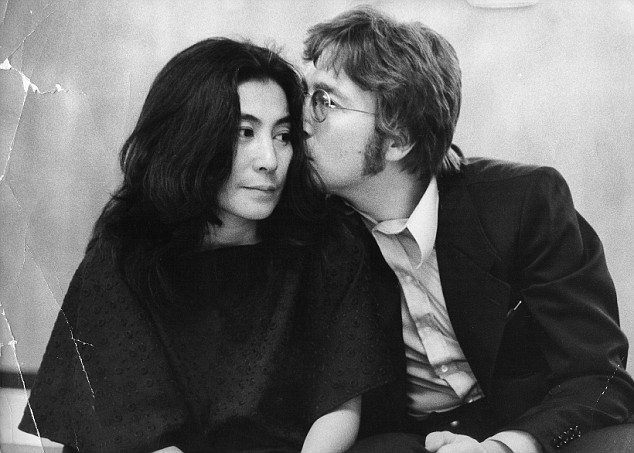
The recording session was the crescendo of the second of John and Yoko's two week-long bed-ins for peace. At the time, people thought Lennon was off his nut — not only could fans not see why he was so obsessed with an older Japanese artist, but many were alienated by his increasing radicalism.
Today, we're used to rock stars totally cashing in their celebrity for a cause. In the late 60s, John and Yoko turning their honeymoon into an extended anti-war PSA was new, weird, and scary territory.
The media circus is gone now, and only the chambermaids were in attendance when I snuck up there on the elevator. They didn't seem to mind that I stopped by for a pic (as scruffy as I was, waking up after a 12-hour TV shoot). But it felt right, somehow, to be here in a place where something that inspired me actually happened so long ago.
I'm not the only one who felt this way. In Liverpool and New York, site's of his birth and death, fans are attending vigils to remember the difficult man who wrote so many of the songs we love.
One of the biggest fellow fans I've met is Michael Zavacky, an artist who works at another Ottawa ad agency, McMillan. When I put out a request to Facebook friends asking for content to add to this post, he was the only one who responded. But what he sent will impress you.
Mike has been here, to the QE, to John's former NYC residence, and to his memorial in Strawberry Fields with his art.
Check it out:
Mike wrote to me, "I was living in Montreal at the time of John and Yoko's famous bed in for peace at the Queen Elizabeth Hotel and remember the excitement and buzz around the city during the time they were there. I made a pilgrimage back to the famous scene a few years back and brought some John and Yoko artwork I had made and left it outside of the door of the room they stayed in. I remember the profound shock and sadness I felt on that awful day 30 years ago when I heard on the radio that he had been murdered . I sat in my room for 2 days in a state of depression. Recently, I have made a few trips to New York to leave a little bit behind to show my appreciation for the man and his music."
Via Popeater, here is Ozzy Osbourne's cover of John Lennon's 1971 song "How" from the iconic Imagine album. (Click pic for vid)
October 9, 2010, marks what would have been the 70th birthday for the ex-leader of The Beatles, and this December 8, it will be 30 years since he was murdered in cold blood by a total asshole.
"This year the whole world is celebrating the 70th anniversary of John's birth," Yoko Ono tells Amnesty. "His spirit and influence is stronger than ever. John shared a common purpose with Amnesty International - shining a light on wrongs and campaigning to protect people's rights. We all shine on!"
Amnesty's USA's Executive Director Larry Cox says of Osbourne's effort, "Once again Yoko Ono has shared the extraordinary legacy of her husband's music to make a difference in the lives of those who have no voice. We continue to be enormously grateful to her for her support and generosity. Yoko and John Lennon were devoted to seeking a better world and used the power of their artistry to work toward that goal. Ozzy Osbourne's gift, with Sharon Osbourne's strong and generous support, makes the same powerful statement today: that individuals can make a difference when they join with others who share a commitment to justice and freedom."
I have a confession to make: I never really got over John Lennon's murder.
Some kids have sports heroes. At 10 years old, mine was a Beatle. A damaged, but brilliant musician who had just recently come out of retirement to transform himself from one long anger management case study to a domesticated urban dad.
Even at my tender age, I was put off by how many people cashed in on his death. But as I grew up and fell in love myself, I became an apologist for the one person most vilified in the examination of his life: Yoko Ono.
John loved Yoko. Understanding what that means, now, brings tears to my eyes when I hear the songs he wrote about her. And while she is often (erroneously) blamed for breaking up the Beatles, John always insisted that she "saved" him. And modern accounts of his life seem to indicate that he did need saving — from profound depression and abandonment issues.
John's music has appeared in commercials since his death. "Revolution" for Nike. "Merry Xmas (War is Over)" on a children's charity appeal. But no posthumous endorsement has been as cynical as this:
What's even worse is that it is not a misappropriation, but authorized by John's heirs, Yoko and "Beautiful Boy" Sean.
"She [Yoko] did not do it for money. Has to do w hoping to keep dad in public consciousness. No new LPs, so TV ad is exposure to young," Ono Lennon said, adding: "Look, TV ad was not for money. It's just hard to find new ways to keep dad in the new world. Not many things as effective as TV."
Who knows what John Lennon would be like, had he outlived George. Maybe the '80s would have seen him mellow out to the point of total commercialism. But when someone dies relatively young, they get the benefit of having their principles trapped in the amber of the day.
I can't see the John Lennon of my childhood hawking cars with his revolutionary words. To my mind, the best way to keep John relevant is not to twist what he said but to just let young people hear the actual words.
So kids, for your benefit, here's some social marketing that matters from the man I remember:
And the controversial one:
I wonder why, if she wanted to make John's message relevant to today, Yoko didn't just buy her own ad space somewhere, as she and John did for their NYC "War is Over" billboard back in the day:
We miss you, John. But you probably would've forgiven Yoko anyway.